Why Corcovado for Wildlife Spotting?
Description: Discover why Corcovado is a must-visit for wildlife enthusiasts, with its unmatched biodiversity and pristine ecosystems.
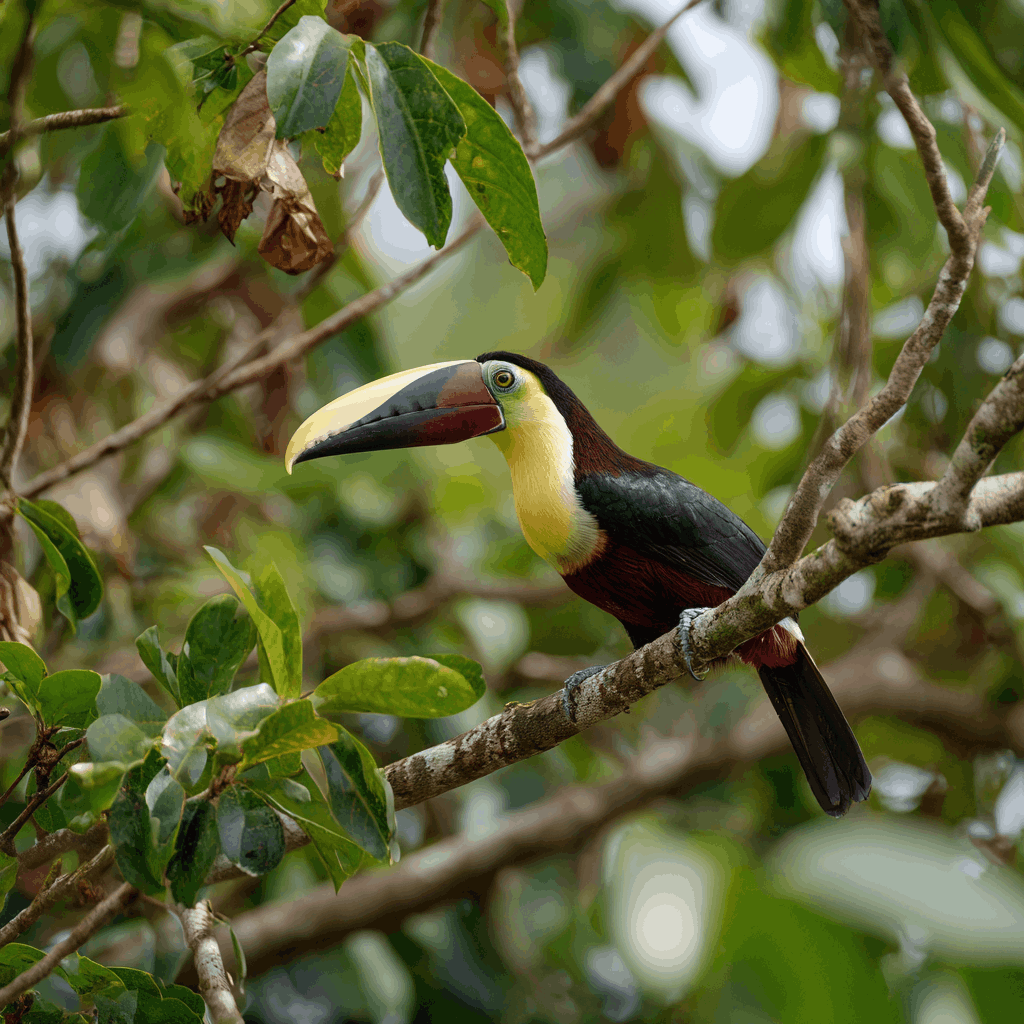
Corcovado National Park is a bucket-list destination for anyone obsessed with nature. It’s home to 140 mammal species, 400 bird species, 116 reptiles and amphibians, and over 500 tree species. You might spot elusive jaguars, tapirs, or all four of Costa Rica’s monkey species—spider, howler, capuchin, and squirrel. The park’s coastal and rainforest habitats also host crocodiles, poison dart frogs, and vibrant birds like toucans and macaws. According to National Geographic, Corcovado’s density of wildlife makes it one of the most biologically intense places on Earth. Its remote location ensures a pristine environment, perfect for immersive wildlife experiences. Whether you’re a photographer, birder, or just love animals, Corcovado delivers Pura Vida in its rawest form.
Best Areas for Wildlife Spotting
Description: Explore the park’s key sectors and trails for the best chances to see wildlife, with details on what to expect.
Corcovado has four main ranger stations—Sirena, La Leona, San Pedrillo, and Los Patos—each offering unique trails and wildlife opportunities. Here are the top spots for spotting animals:
Sirena Sector (Sirena Ranger Station)
Why Visit: The heart of Corcovado, Sirena is the best spot for wildlife due to its mix of primary rainforest, rivers, and coastal trails. It’s a hotspot for jaguars, tapirs, and red-eyed tree frogs.
Trails: The Sirena Trail (5-7 km loops) winds through dense jungle and along rivers, where you might see crocodiles or bull sharks in the Rio Sirena.
Highlights: Spotting rare species like the Baird’s tapir or harpy eagle. Night tours reveal nocturnal critters like kinkajous.
Access: Reachable by boat from Drake Bay or a tough 20-km hike from Carate. Overnight stays at Sirena’s basic lodge are available but require permits.
La Leona Sector
Why Visit: This coastal trail from Carate to La Leona is great for spotting scarlet macaws, spider monkeys, and sea turtles nesting (July-October).
Trails: The 3.5-km La Leona Trail follows the beach and jungle edge, offering easier terrain but fewer animals than Sirena.
Highlights: Coastal wildlife like crabs and pelicans, plus occasional jaguar tracks.
Access: A 1-hour walk from Carate, accessible by car or shuttle from Puerto Jiménez.
San Pedrillo Sector
Why Visit: Perfect for day trips, this northern entrance offers waterfall hikes and coastal wildlife, including dolphins and whales (December-April).
Trails: The 2-km Waterfall Trail leads to a swim-friendly cascade, with chances to see capuchin monkeys and coatis.
Highlights: Marine life and lush rainforest near the San Pedrillo River.
Access: Boat from Drake Bay (30-45 minutes) or a long hike from Sirena.
Pro Tip: Sirena offers the best wildlife diversity but requires planning due to its remoteness. Book permits and guides through CostaRicaYP to secure spots.
Guided Tours vs. Solo Exploration
Description: Understand the benefits of guided tours and the requirements for exploring Corcovado’s wildlife.
Corcovado’s trails are regulated to protect its ecosystem, so guided tours are highly recommended, and some sectors (like Sirena) require them. Here’s why:
Guides: Licensed guides, bookable via CostaRicaYP, know where animals hide and use telescopes for spotting distant species like jaguars or macaws. They also share insights on ecology and safety. Tours cost $80-150/day, depending on group size.
Safety: The park’s dense jungle, rivers, and predators (like crocodiles) make solo hiking risky. Guides ensure you stay on trails and avoid hazards like venomous snakes.
Access: Sirena and multi-day hikes require permits ($10-15/day) and guides, arranged through the park or tour operators like Surcos Tours or Osa Wild.
Solo hiking is allowed on easier trails like La Leona, but you’ll need a permit and must register at ranger stations. For the best wildlife experience, opt for a guided tour—early morning (6-8 AM) or night tours maximize animal sightings.
Pro Tip: Book tours at least a month in advance, especially for Sirena, as daily visitor limits (70-100) fill up fast in dry season (December-April).
What to Expect on a Wildlife Tour
Description: Get a sense of the wildlife spotting experience, including terrain, conditions, and animal encounters.
A wildlife tour in Corcovado is an adventure for all senses. Trails range from flat coastal paths to muddy, root-filled jungle routes, so expect a workout. Humidity is high, and temperatures hover around 27-32°C (80-90°F), with frequent rain in the green season (May-November). You’ll trek 3-10 km, depending on the trail, with stops to spot animals. Guides carry spotting scopes, so you might see a jaguar lounging 100 meters away or a poison dart frog up close.
Animals are most active at dawn and dusk, so tours start early or extend into evening. Expect to hear howler monkeys roaring, see tapirs grazing near rivers, or spot macaws in almond trees. Bugs are part of the deal—mosquitos and chiggers love the jungle—so long sleeves and bug spray are musts. The experience feels raw and immersive, with every rustle in the leaves sparking excitement.